A Surprising Sorrow Is Upon Me
I wish there were a way to catch these thoughts before they disappear. They arrive suddenly while I'm driving or folding laundry or standing in line somewhere ordinary, and by the time I sit down to write them, the feeling has already retreated back underground. But maybe part of the problem is that these thoughts feel too private to speak aloud anyway. Too heavy. Too embarrassing.
Lately I've been startled by the depth of my own sadness. Not every day. Some days I stay busy enough not to notice it. But when I stop long enough to really look at my life, I realize there is a quiet depression threaded through it now. That admission feels uncomfortable to make because from the outside everything probably appears mostly fine.
What's strange is that the unhappiness feels sudden and gradual at the same time. As if I woke up one morning inside someone else's life, only to realize the shift has actually been happening for years. COVID marks the timeline in my mind, though not because of the virus itself. It was simply the beginning of a long unwinding: moving homes, changing routines, my son becoming a teenager and then nearly grown, my own body entering a new phase I wasn't emotionally prepared for.
Somewhere along the way, the things that once gave my life shape and purpose became obligations instead of joys. Motherhood used to overflow with small rewards — little hands around my neck, laughter in the car, someone genuinely delighted just because I walked into the room. Now the days are quieter. Vastly quieter. I technically have freedom now, the kind of freedom I once fantasized about when I was exhausted and buried beneath the constant needs of raising a child. Hours to myself. Silence. Time to binge-watch shows or wander stores alone.
And yet the freedom feels oddly empty. Too much space where meaning used to live.
I keep wondering when exactly this happened. When did I become so untethered from myself? I move through my days feeling emotionally unmoored, noticing a kind of weariness and ugliness everywhere around me. My husband seems consumed by stress and financial pressure, emotionally absent in ways that are difficult to explain unless you've lived beside someone slowly disappearing into responsibility and exhaustion.
Then there is my mother. Dementia has hollowed out so much of who she once was, and I carry enormous guilt admitting that being around her often feels painful instead of comforting. I want to be the daughter who cherishes every remaining moment, but the truth is far more complicated than that. Our relationship was never especially nurturing, even before the dementia. I spent much of my childhood feeling emotionally unseen by her, and now, as her mind fades, that distance somehow feels even greater. There is a particular loneliness in caring for someone who never fully knew how to care for you.
And my son — grown now, at least technically. I know enough about life to understand that twenty-year-olds are still becoming themselves, still needing love and guidance whether they admit it or not. But adolescence and early adulthood can be brutal in their own way. The sarcasm, the dismissiveness, the subtle pulling away — it wounds more deeply than I ever expected. Sometimes I ache for the version of him who used to run toward me with complete joy, arms wrapped tightly around my neck, proud to belong to me before the world taught him separation was necessary.
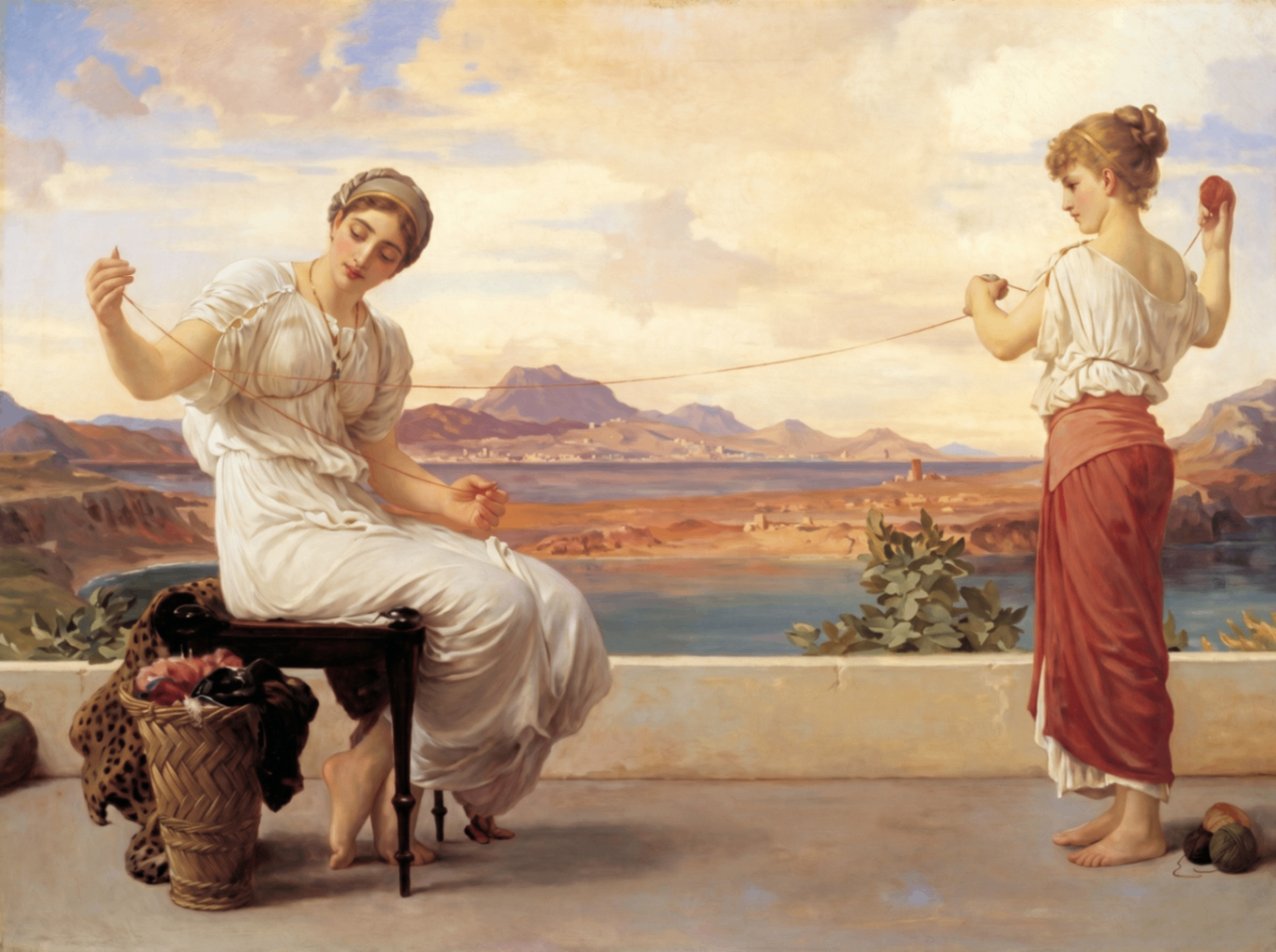
I think that may be part of motherhood no one prepares women for: you spend years winding yourself tightly around your children, building your entire emotional ecosystem around caring for them, guiding them, loving them, being needed by them. Then one day you are asked to slowly unwind yourself from that role while simultaneously watching your own parents disappear in the opposite direction. You stand in the middle of those two losses feeling strangely invisible.
Lately I'll be doing something completely ordinary — returning a package, buying groceries, driving home at dusk — and the thought will arrive out of nowhere: I don't feel like I matter very much anymore.
Not in a catastrophic way. I'm not hopeless. I know my family loves me in their own ways. But I often feel unseen. Untethered. Emotionally hungry in a life where I continue instinctively caring for everyone else.
And beneath all of this is the growing suspicion that many women my age are quietly carrying the exact same grief while pretending they're fine.
So the question becomes: what do we do after the unwinding? How do we reinvent ourselves once motherhood is no longer the center of gravity? How do we rediscover meaning after spending decades being needed by everyone else?